
Better information. Better decisions. Better outcomes, for people and planet.
The built environment exists for one reason: to help people and nature thrive. Behind every asset is someone who depends on it: the child at school, the patient in hospital, the family at home, the commuter on the road and the railway. Every standard, assessment, course and transformation programme we deliver serves them.
Or read our purpose and see how we support the UN Sustainable Development Goals.
Information isn't the goal. Outcomes are.
Standards like the ISO 19650 series and ISO 55001 are the means, not the end. We care about what good information makes possible. New to the standard? Watch our free 10-minute ISO 19650 guide.
The built environment is for people
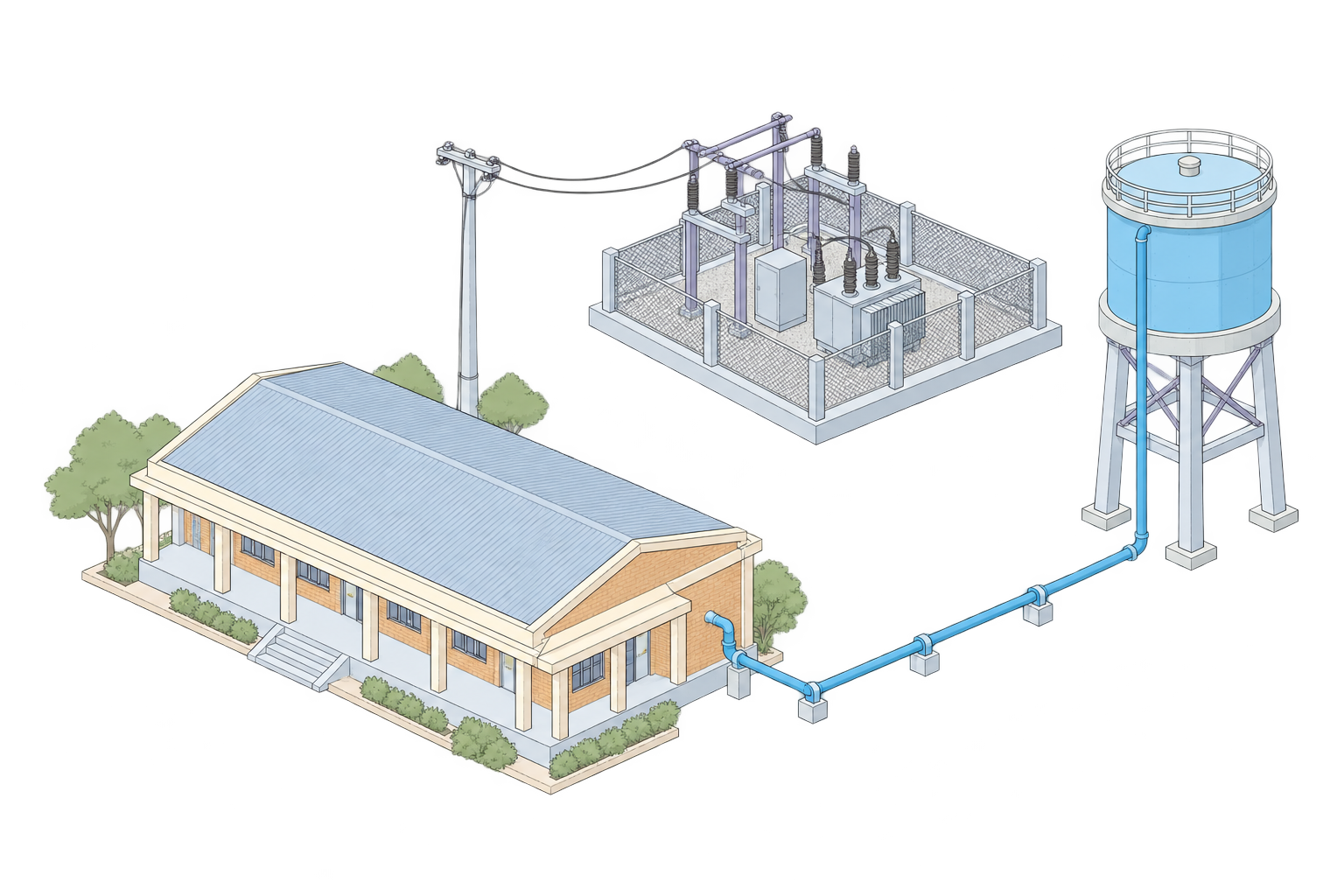
Roads, railways, hospitals, schools, homes, water and energy networks aren't ends in themselves. They are the physical platform for society: the systems that keep people healthy, safe, connected and prosperous.
Yet the built environment is also one of the world's biggest consumers of materials and energy, and a major source of carbon emissions and waste. How we plan, build, operate and reuse it matters enormously.
We believe the difference between good and bad outcomes very often comes down to one thing: the quality of the information behind the decisions.
Everything is connected
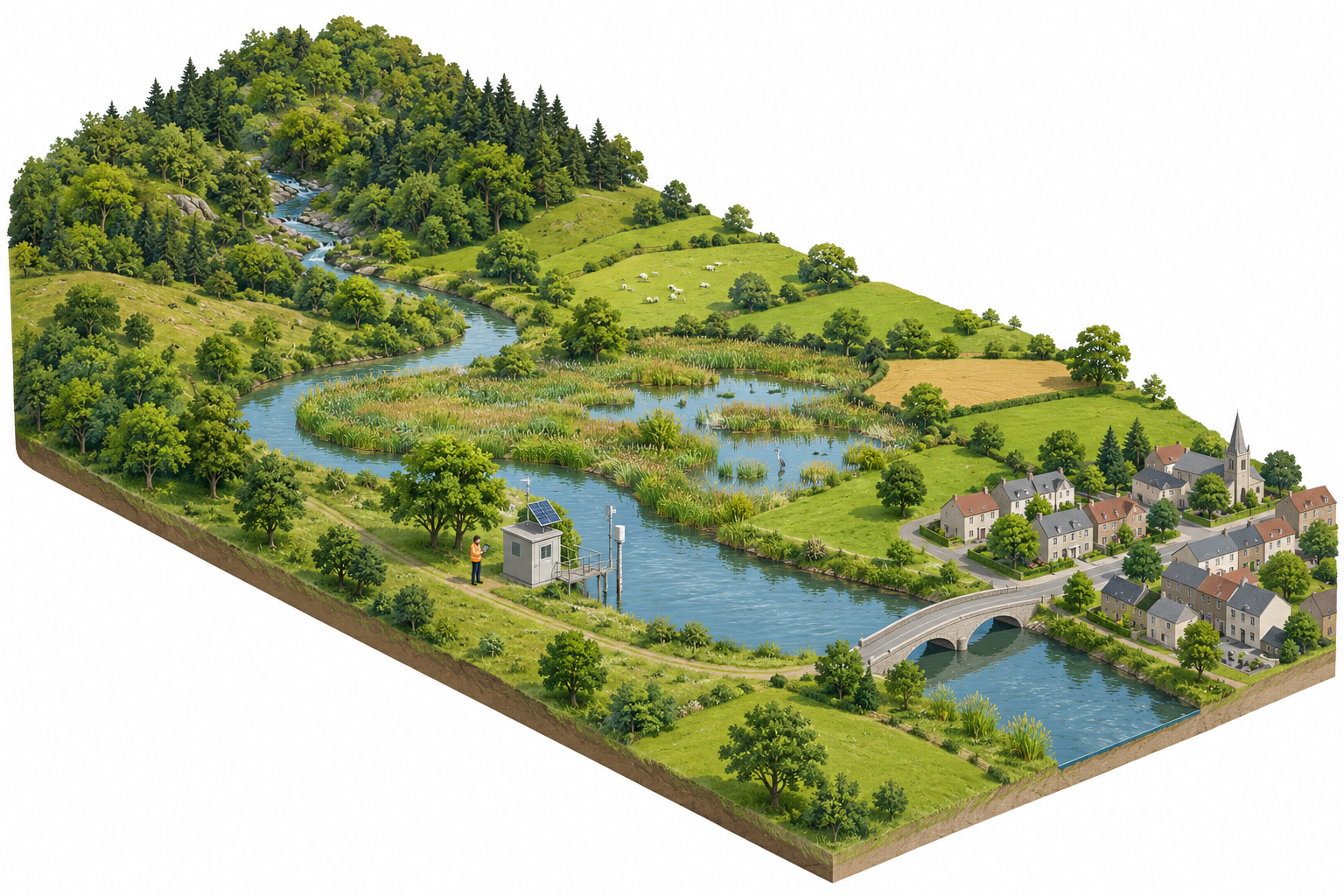
The built environment sits inside society, and society sits inside the natural world. Decisions about one asset ripple outwards, to the communities it serves and the ecosystems it depends on.
So people and nature thrive
That's why we put information at the centre. Good data and digital twins let us see how every layer affects the others, so decisions about one asset lead to better outcomes for people and nature, not just for the single project.
A river catchment shows it well: the same water runs off the hills, past the farms and through the town. Manage it as one connected system and the floods, the wildlife and the people downstream all benefit.
- Outcome-focused, not output-focused
- Whole-life, not just the construction phase
- People and nature at the centre of every decision
Business as a force for good
Infrastructure and the built environment influence the delivery of all 17 UN Sustainable Development Goals. At BimEnable we help organisations structure, manage and use asset information well, for better planning, delivery and operation across the asset lifecycle. Here's how better information about our built and natural assets helps with every goal.
A living digital picture of everything we depend on
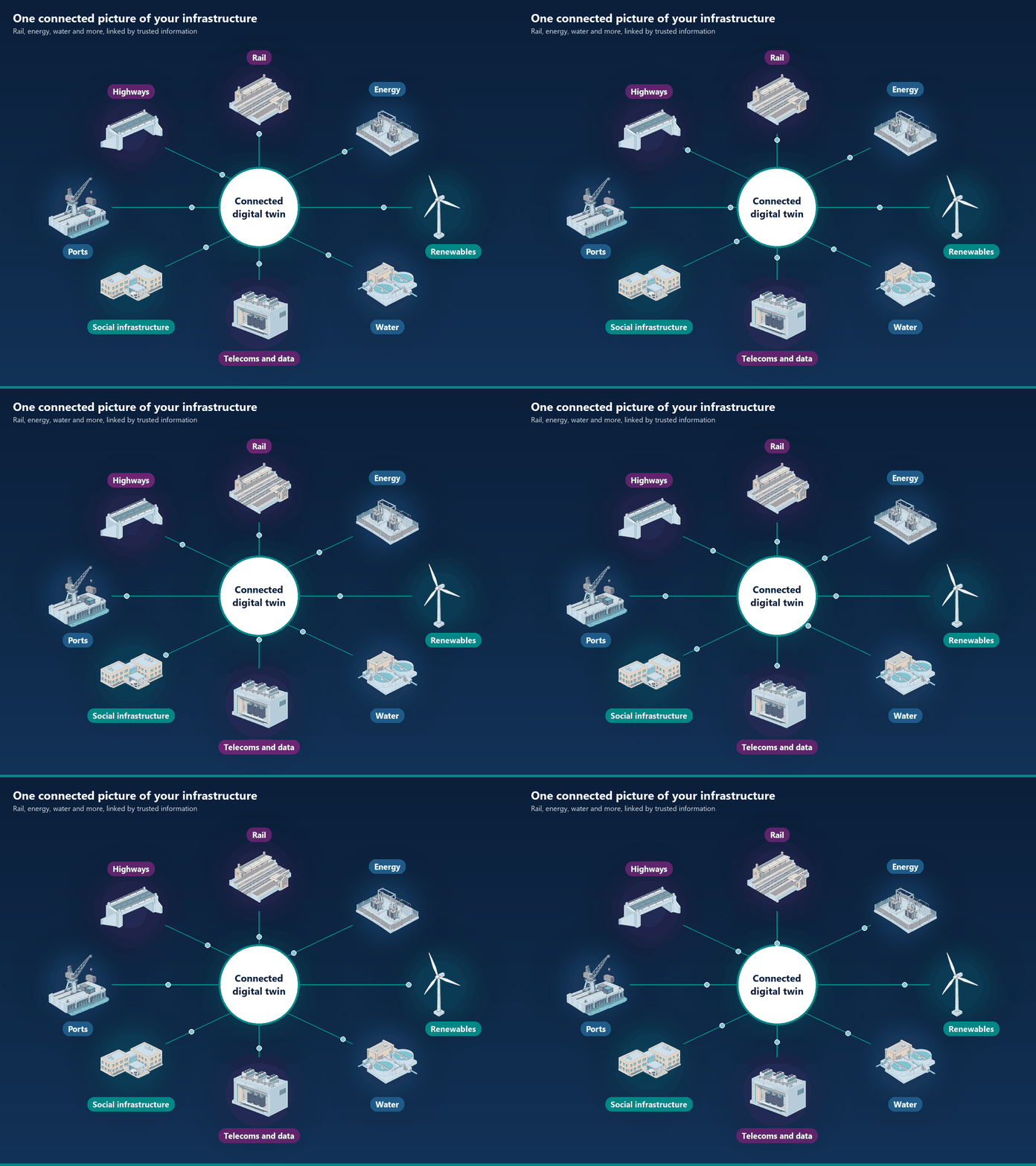
A digital twin is a trusted digital representation of physical assets and systems, linked by data so we can understand, predict and improve how they perform.
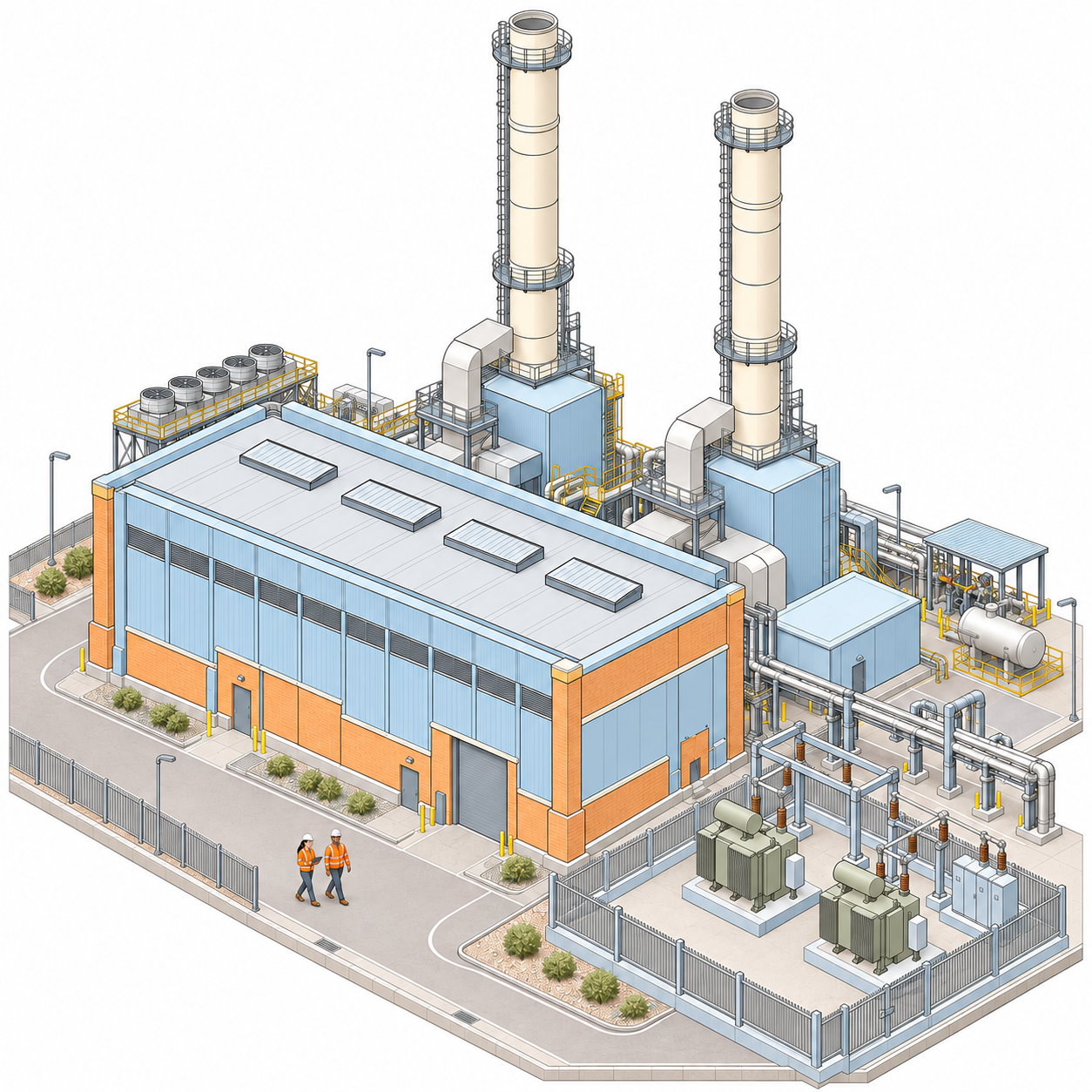
The real value comes when the layers work together: the natural environment, the economic infrastructure that keeps society moving, and the social infrastructure that looks after people.
You can't report what you can't trust
Environmental, social and governance targets, from net zero commitments to social value and building safety, all depend on complete, accurate and auditable information about your assets.
We help you build that foundation.
- Whole-life carbon and net zero pathways
- Energy and water performance data
- Material reuse, circularity and waste reduction
- Climate resilience and nature-positive decisions
- Safer buildings and infrastructure
- Health and well-being of occupants and users
- Social value and fair access to services
- Skills and capability for your people
- A golden thread of accountable, auditable information
- ISO 19650 and ISO 55001 aligned assurance
- Information security and clear responsibilities
- Credible data for sustainability disclosures
Keep value in use, not in landfill
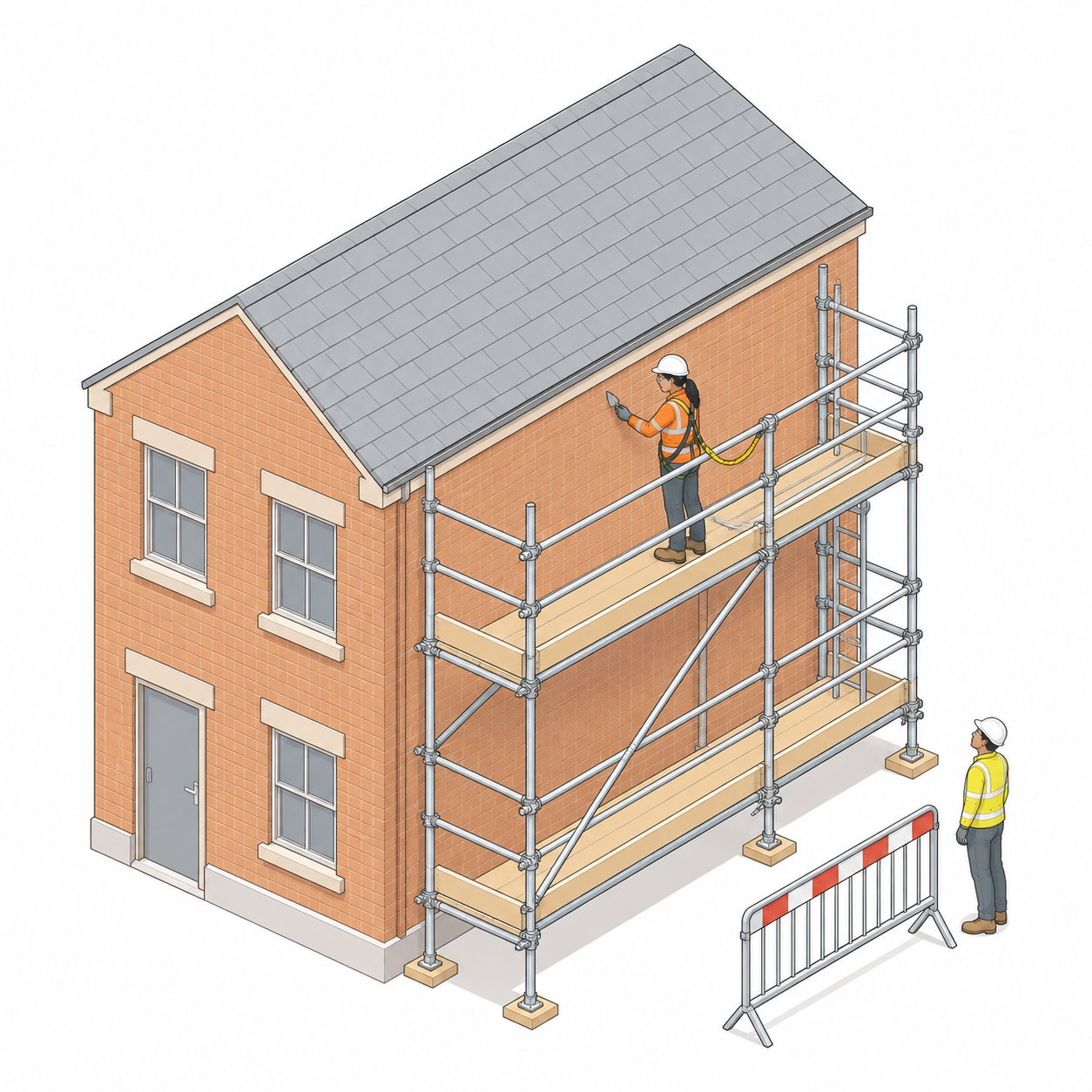
A circular economy in the built environment means designing out waste, keeping assets, components and materials in use at their highest value for as long as possible, and regenerating natural systems.
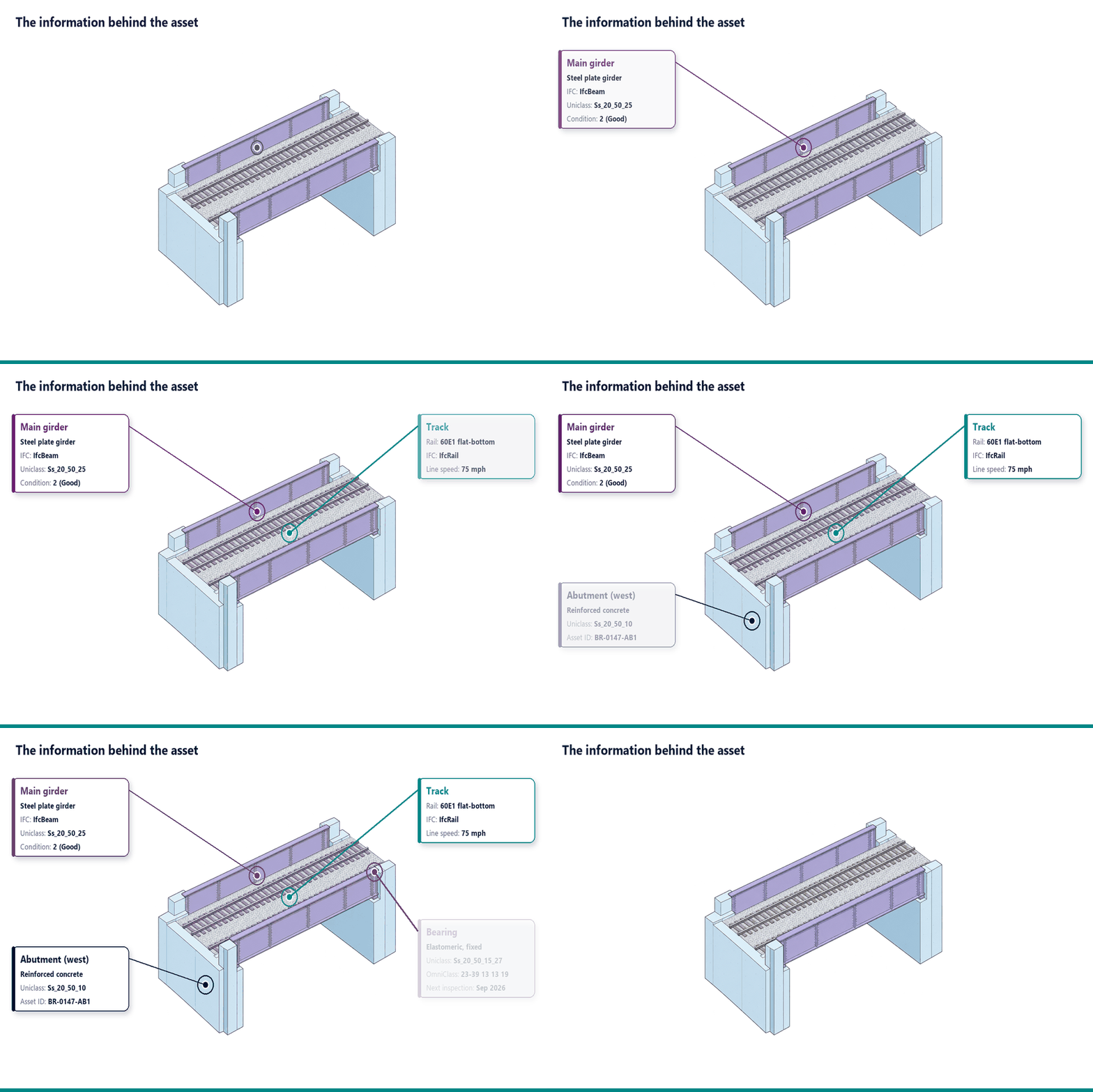
None of that is possible without information. To retrofit, repurpose, reuse or recover, you first need to know exactly what you have, where it is, what condition it's in and what it's made of.
Better together, across the whole lifecycle
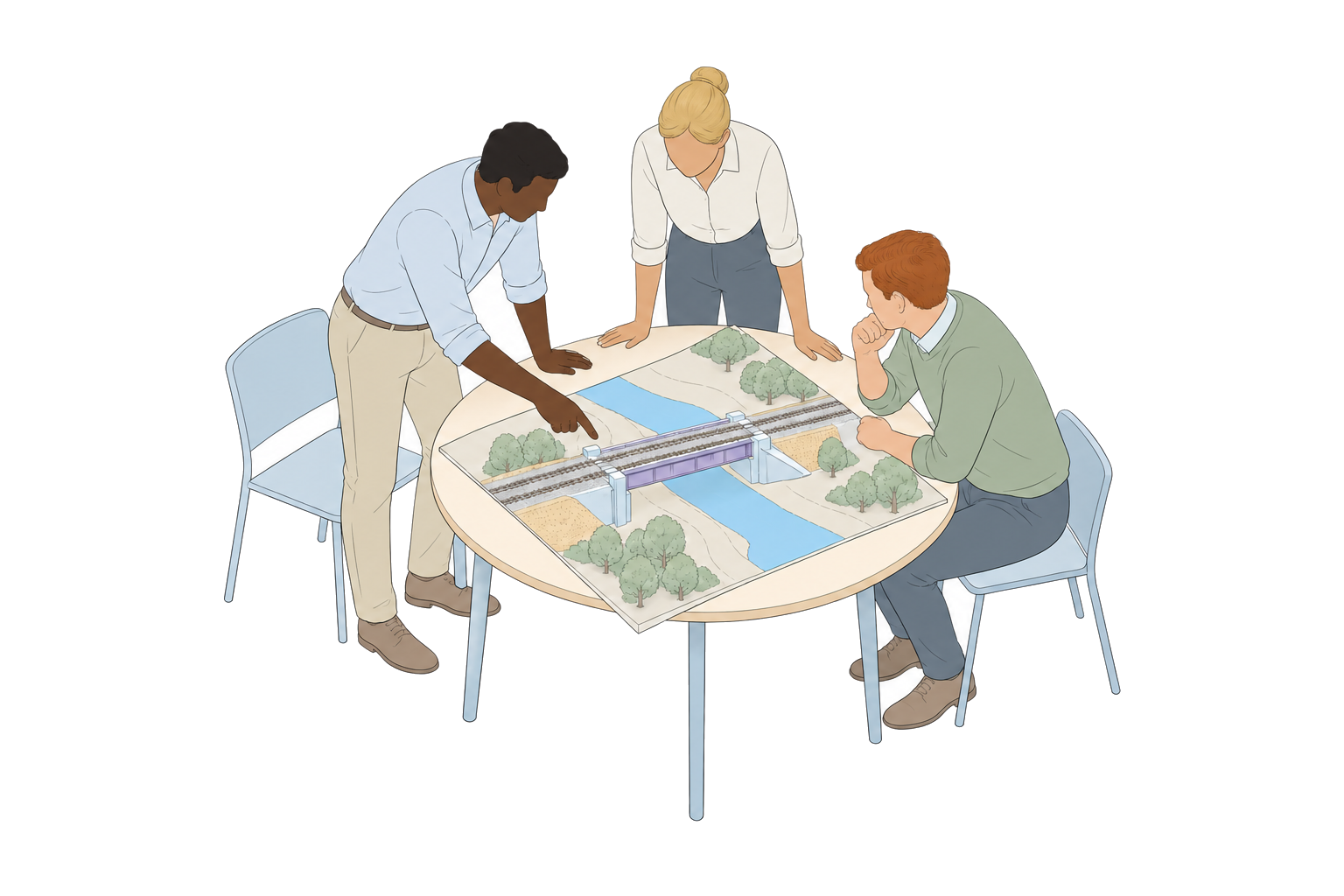
The biggest improvements happen when clients, designers, contractors, operators and communities work from the same trusted information and pull in the same direction.
International standards like the ISO 19650 series give everyone a common language. When information is shared openly and consistently, every organisation in the chain makes better decisions, and society reaps the benefit.
- Shared understanding: skills and confidence across every team
- Shared information: one trusted source from planning to operation
- Joined-up systems: BIM, GIS and digital twins working as one
- Shared purpose: every project tied to real-world outcomes
Our commitments

ISO 19650 UPDATES

Part of the GeoEnable Group | All Rights Reserved © 2026 | United Kingdom