
Digital twins, built on information you can trust
A digital twin helps you understand, predict and improve a real asset, network or place. We help leaders get the foundations right: the standards, the information, the people and the enabling technologies that make a twin worth having.
Or take the free readiness assessment to see where your information stands.
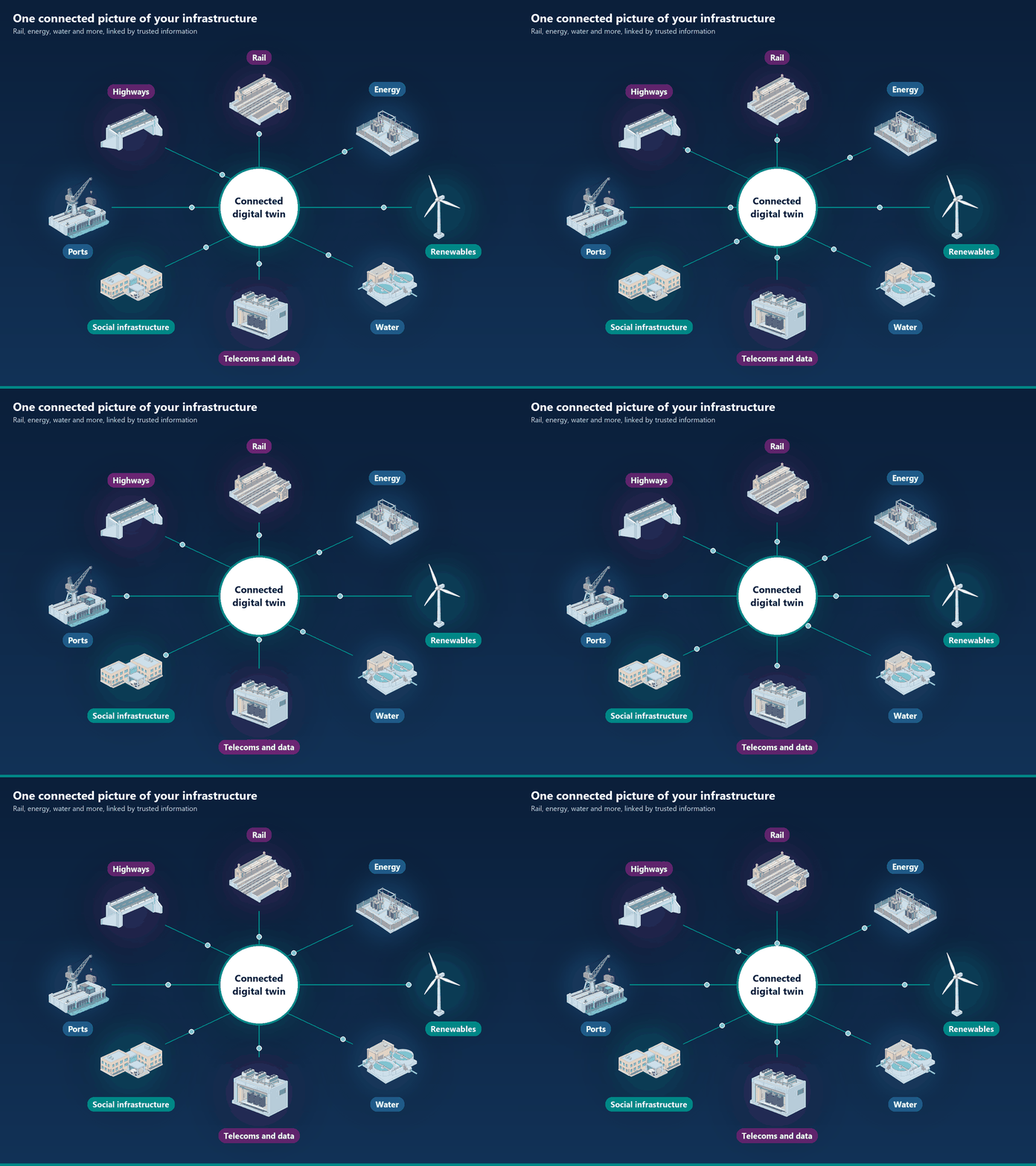
What is a digital twin?
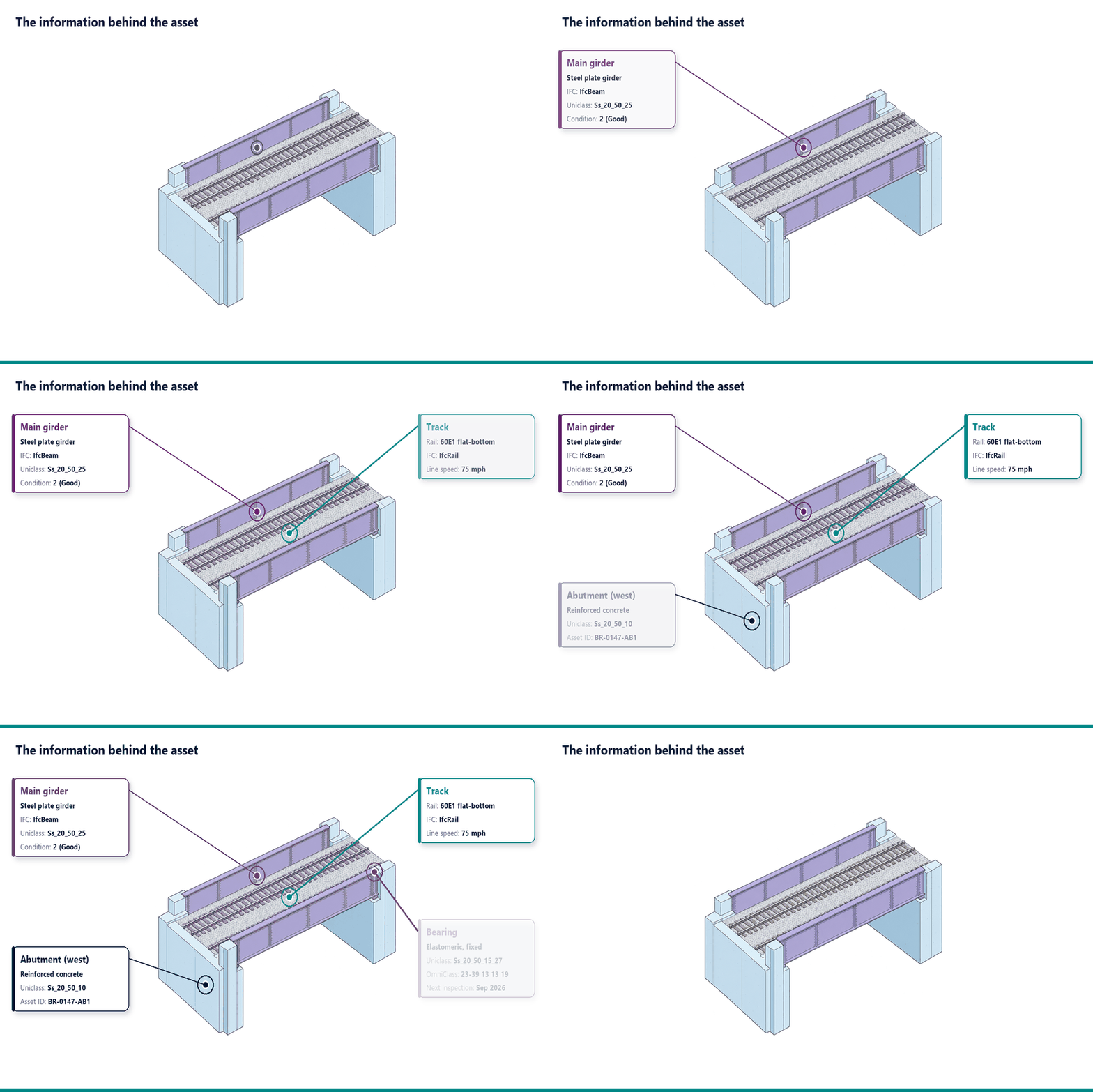
A digital twin is a digital representation of something real, such as a bridge, a building, a water network or a whole city, kept in step with it through data connections. Because it stays in step, people can use it to understand what's happening, test what might happen, and make better decisions.
It isn't just a 3D model, and it isn't a dashboard. It's the combination of trusted information, live data and analysis, built for a purpose.
Digital twins at the heart of asset management
A digital twin feeds and maintains your asset information model, keeping it current with what's really happening on the ground. That trusted information supports strategic asset management: the policies, plans and decisions about what to invest in, maintain or replace. Better decisions change the assets, and the cycle continues.
The standards that shape digital twins
Digital twins now have their own international standards, alongside the information and asset management series they depend on.
| Standard | What it covers | Why it matters |
|---|---|---|
| ISO/IEC 30173:2023 Digital twin: concepts and terminology | The shared vocabulary: what a digital twin is, its context, life cycle, types, functions and stakeholders. | Everyone means the same thing by the same words. |
| ISO/IEC 30186:2025 Digital twin: maturity model and guidance for a maturity assessment | A generic maturity model, assessment indicators and guidance for assessing how mature a digital twin is. | A common yardstick for where you are and what to improve next. |
| ISO/IEC TR 30172:2023 Digital twin: use cases | Real-world examples of digital twins, including smart cities and manufacturing. | Learn from what others have built. |
| ISO 19650 series | Managing information across the whole life of built assets, including the asset information model. | The trusted information a twin is built on. ISO 19650 explained |
| ISO 55000 series | Asset management: getting value from assets across their whole life. | Keeps every twin tied to real asset decisions. |
ISO/IEC 30173, ISO/IEC 30186 and ISO/IEC TR 30172 come from ISO/IEC JTC 1/SC 41, the international committee for the Internet of Things and digital twin.
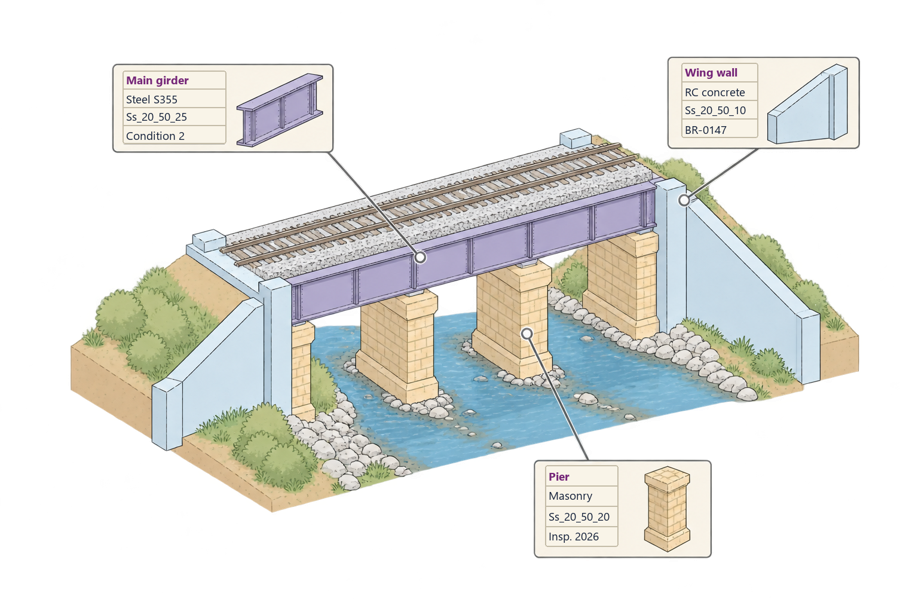
A twin is only as good as the information behind it
Most digital twin projects that struggle do so because the underlying information isn't trusted: it's incomplete, inconsistent or locked in separate systems. The asset information model in the ISO 19650 series, good master data and a clear location for every asset are the foundations a twin stands on.
Keeping a twin in step with reality needs regular capture: UAV/UAS (drone) surveys, laser scanning and updates from people in the field, all tied to accurate geodetic control. That is where geodesy and geomatics come in.
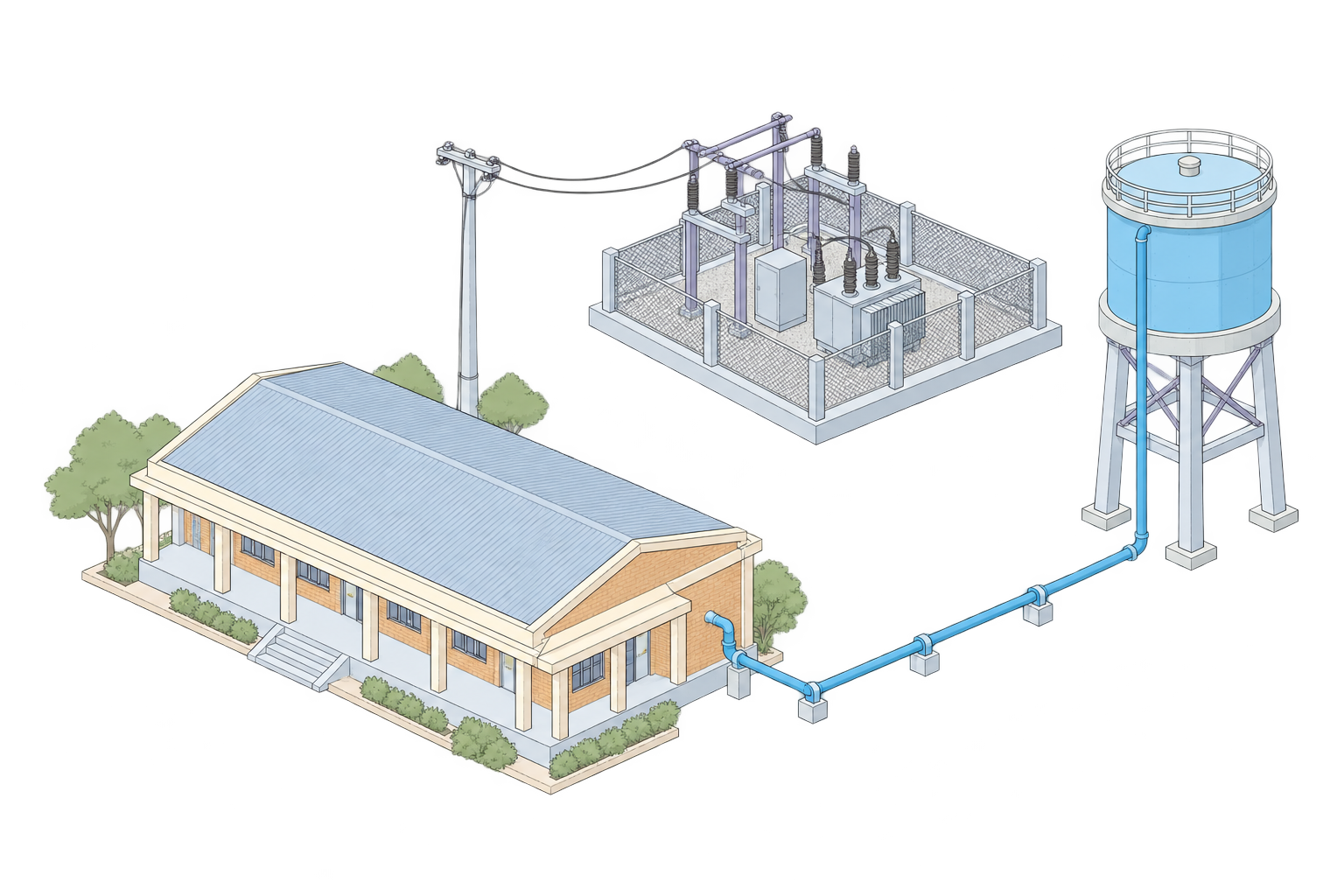
From one asset to a connected system of systems
The biggest benefits come when twins connect: rail, energy, water and the places people live, working together. That needs shared standards, shared meaning and interoperable systems across organisations.
Assess, roadmap, mentor, implement
We help leaders decide where a digital twin will genuinely help, and build the foundations to get there, across leadership, people, process and enabling technologies.
Maturity and readiness
Where your information, people and systems stand today, using the language of ISO/IEC 30186.
A practical roadmap
Use cases worth doing, the foundations they need, and the order to build them in.
Your people
Mentoring for the leaders and information leads who will own the twin.
Enabling technologies
GIS, the common data environment, asset registers, EAM and CAFM, connected through master data.

ISO 19650 UPDATES

Part of the GeoEnable Group | All Rights Reserved © 2026 | United Kingdom